
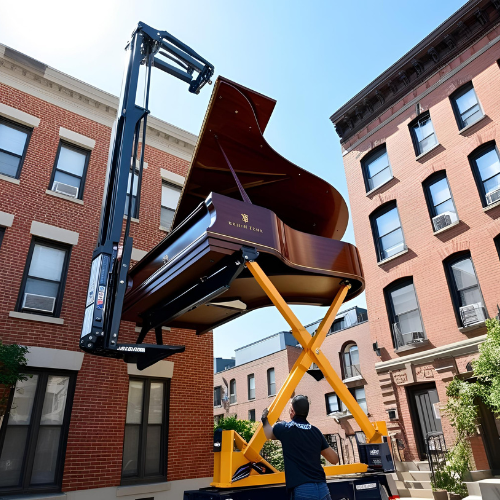
Piano transporters are specialist movers trained to safely relocate pianos using protective equipment, expert handling techniques, and purpose-built lifting solutions. Because pianos contain delicate internal components and can weigh over 300kg, professional transport reduces damage risk, protects property, and ensures safe delivery, especially in complex London buildings.
What Do Professional Piano Transporters Actually Do?
Professional movers do far more than lift and carry. Experienced piano transporters assess access points, measure doorways, and plan safe lifting routes before moving day. As a result, they reduce risk and improve efficiency.
Unlike standard removal teams, specialists understand piano weight distribution and fragile internal mechanics. Therefore, they secure moving parts, protect polished finishes, and stabilise the instrument during transport.
Additionally, many specialist teams provide hoisting solutions. This service helps when staircases are narrow or lifts cannot support the piano’s size or weight.
Why Specialist Piano Movers Protect Your Instrument Better
Pianos contain thousands of moving components. Even small shocks can affect tuning stability and sound quality. For this reason, piano transporters use specialist padding, skid boards, and custom restraints.
Furthermore, trained teams know how to tilt and balance pianos safely. This expertise prevents frame stress and internal damage. In contrast, inexperienced movers may unintentionally damage strings, pedals, or soundboards.
Insurance is another major advantage. Professional services typically offer cover specifically designed for musical instruments. Consequently, owners gain peace of mind during property moves or venue relocations.
When You May Need Hoisting Instead of Manual Carrying
Many London buildings present access challenges. For example, converted flats, listed properties, and rooftop venues often have tight stairwells. In these cases, piano transporters may recommend furniture hoisting.
Hoisting allows safe external lifting through windows or balconies. As a result, movers avoid damaging communal hallways or decorative staircases. This method also reduces physical risk to handlers.
Common Situations Requiring Piano Hoist Services
-
Upper-floor flats with narrow stairs
-
Schools moving music rooms between floors
-
Hotels or theatres installing pianos in event spaces
-
Bars or venues placing pianos in rooftop locations
In each scenario, experienced piano transporters create detailed lift plans and follow strict safety procedures.
Choosing Reliable Piano Moving Specialists
When selecting a provider, look for proven experience, specialist equipment, and strong client reviews. Reputable piano transporters will also offer site surveys and written moving plans.
Additionally, ask about insurance cover and staff training. Established companies invest heavily in specialist training and safety compliance. Therefore, they deliver more reliable results.
Finally, choose a team with local experience. London property layouts vary greatly, so local knowledge improves planning and execution.
FAQ – Quick Answers for Piano Moving
Do piano transporters move all piano types?
Yes. Most specialists move uprights, baby grands, and concert grands safely.
How long does a piano move usually take?
Most local moves take two to four hours, depending on access and complexity.
Do I need to retune my piano after moving?
Yes. Temperature and movement often affect tuning stability.
Can piano transporters move pianos upstairs?
Yes. They use specialist lifting equipment or hoisting where required.
Are professional piano movers insured?
Reputable companies carry specialist instrument transport insurance.